








Mercedes-AMG PETRONAS Formula One Team Sim Racing Cockpit
$3,699.00
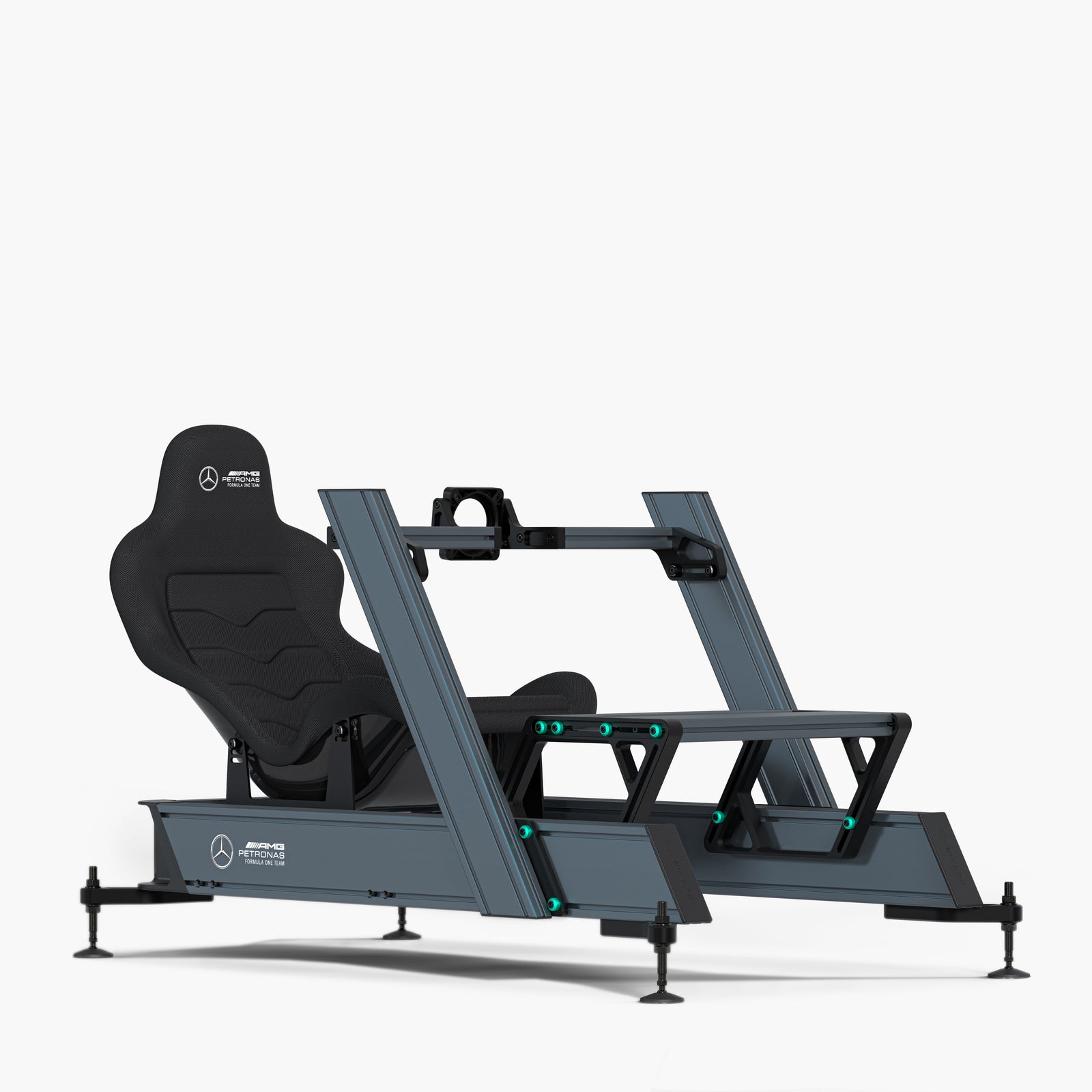
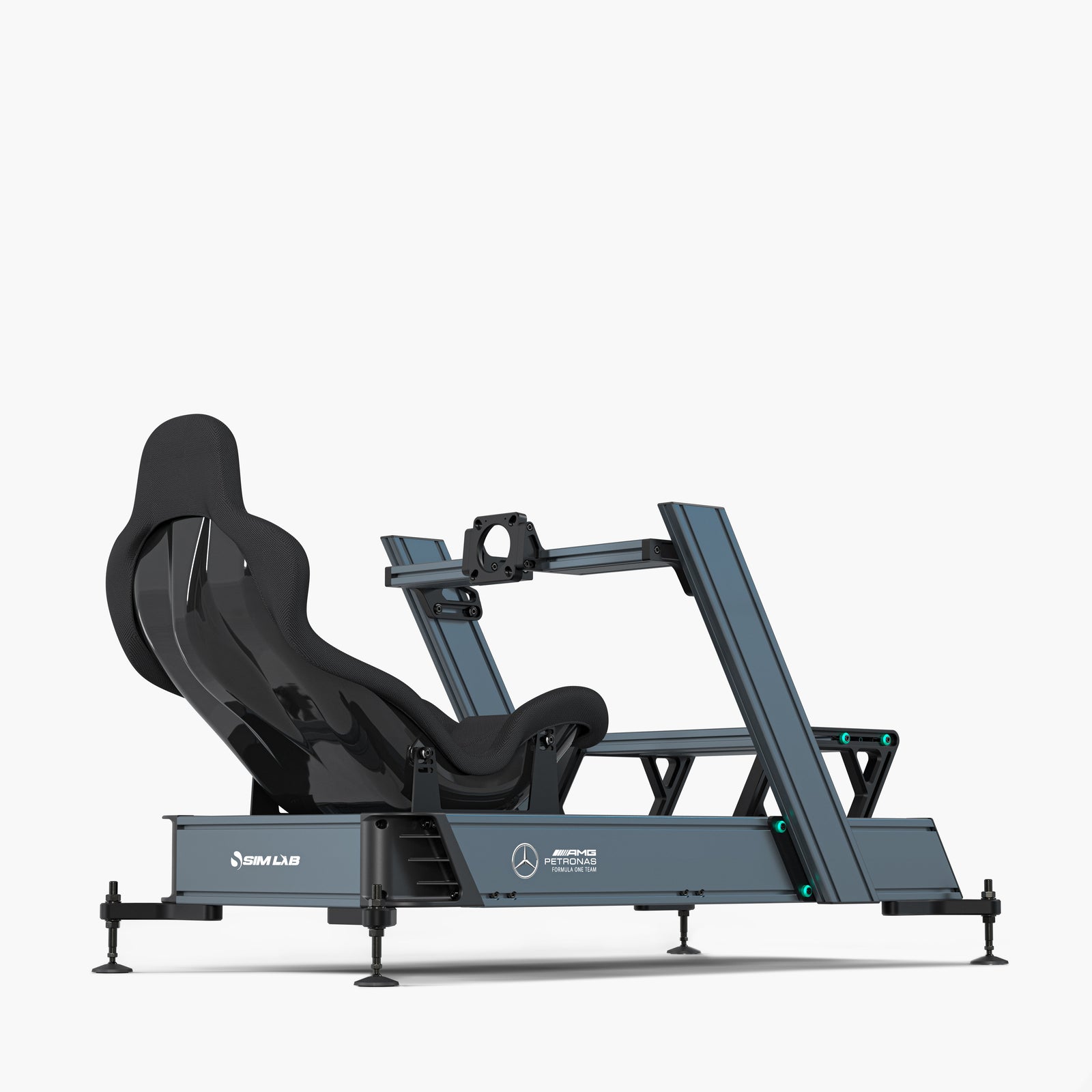
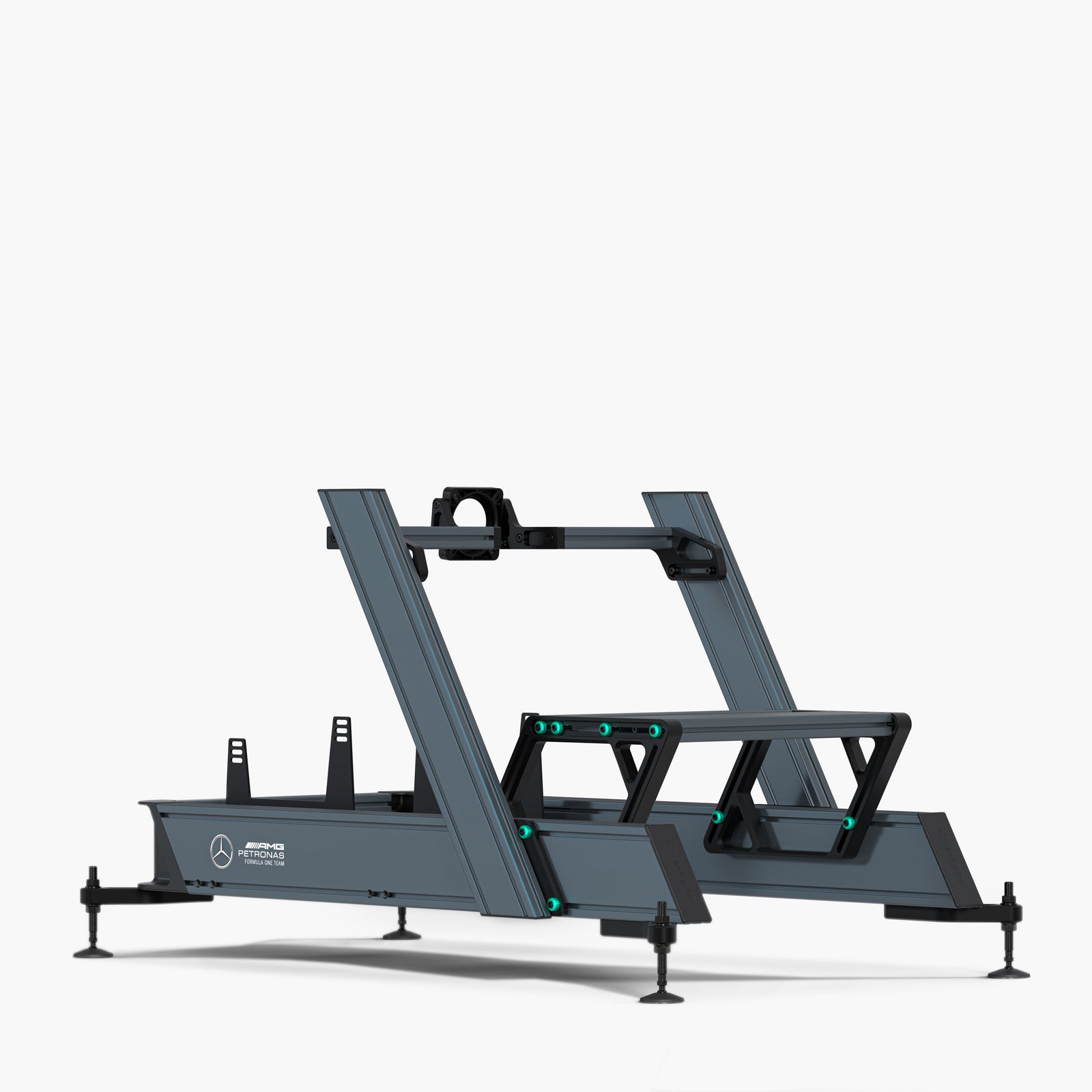
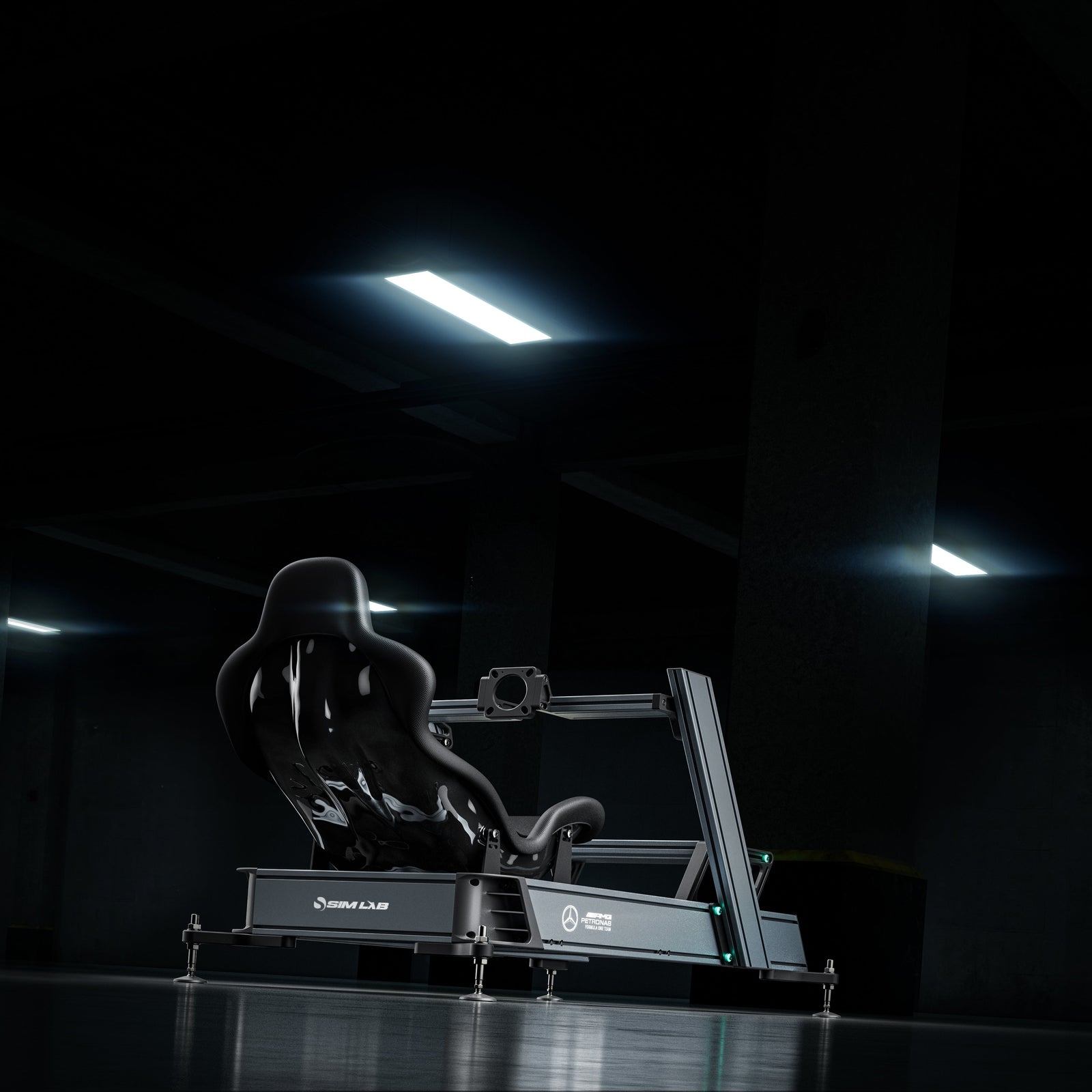
The Mercedes-AMG PETRONAS Formula One Team Sim Racing Cockpit redefines the formula position genre with its high-quality and super-rigid frame. All new profiles and brackets were developed to make this cockpit special.
- Officially licensed product
- Authentic formula seating position
- Extremely rigid construction
- Front, side, and wheeldeck mounts included
- Fully adjustable
- Mercedes Formula Seat Included
- Seat Mount & Slider Included


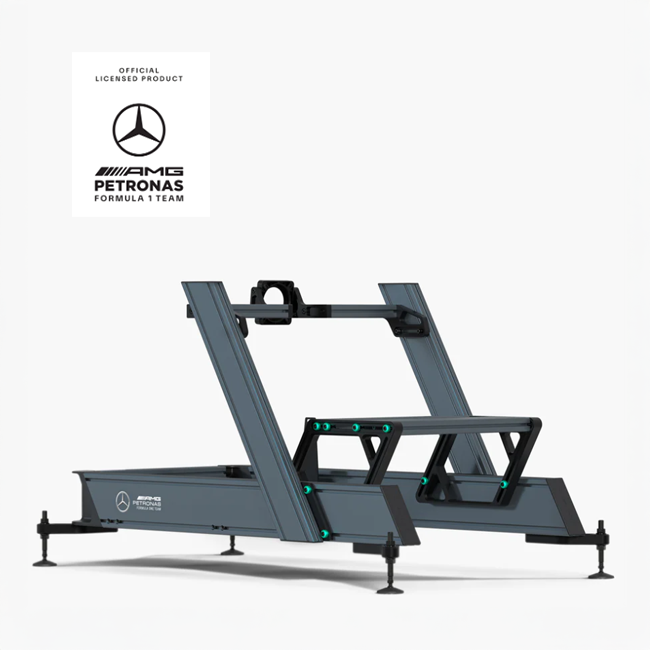
Officially licensed product
Developed in close collaboration with the team to deliver an authentic F1 experience, with exclusive branding and design details straight from the world of Formula One.


Authentic formula seating position
Sim-lab have reverse-engineered the real-world F1 driver seating angle using CAD data and expert input to recreate the exact leg and back angles of a modern Formula cockpit. The seat mount and pedal tray are fixed to ensure proper alignment, just like in a real car - no compromises, no shortcuts.


Extremely rigid construction
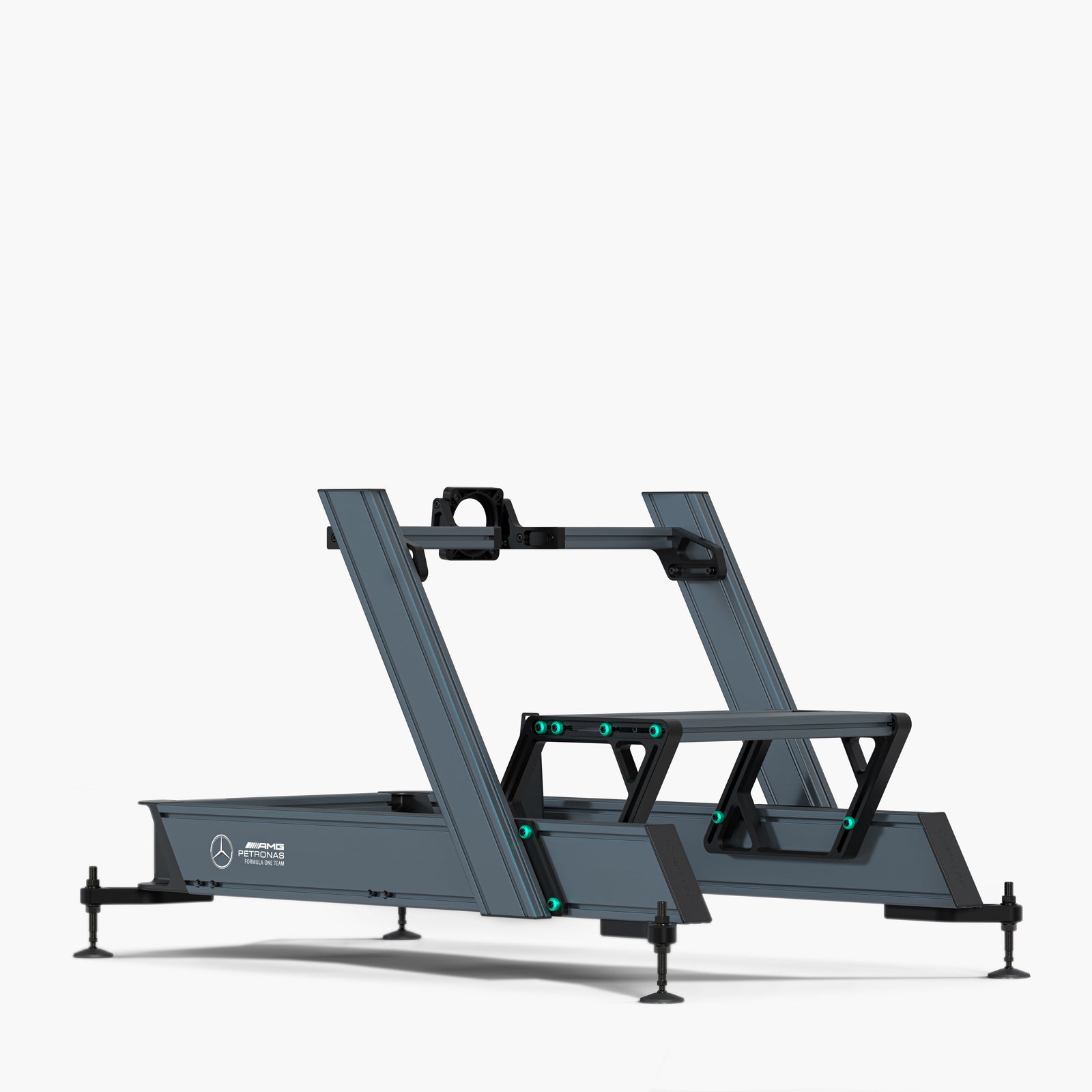
Sim-lab have developed new, wider proprietary aluminum profiles exclusively for this cockpit that are engineered to handle extreme forces without flex. The result is a rock-solid platform built for high-end gear and professional use.


Fully adjustable
Dial in your perfect driving position with fully adjustable pedal deck and wheel mounts - engineered to fit any body type and driving style, from GT to full Formula.
SPECIFICATIONS
- Color: Space gray
- Dimensions (L x W x H): 1566 mm x 836mm (widest point) x 850 mm (height includes adjustable feet)
- Aluminium profiles and mounting materials
- Front wheel mount
- Side mount
- Wheel deck mount
- Pedal deck
- Adjustable feet
- Required HW kit
- Asetek DD wheelbase Forte/Prima/Invicta
- AccuForce V1, V2
- Fanatec CSL, CSW, CSL-DD, GT DD-PRO, DD1, DD2, Podium DD
- Logitech G25, G27, G920/G923
- Logitech Pro
- Moza R5, R9, R12, R16/21
- Thrustmaster T248, T300/TX, T500RS, T-818
- Thrustmaster TC-PS, TS-XW, TG-T, TG-T II, T598
- Simagic Alpha Mini DD, Ultimate
- Simagic Alpha Evo Sport/Pro
- Simucube 3 Sport, Pro, Ultimate
You may also like
FAQ
-
Both chassis deliver zero-flex performance for high-torque direct drive systems beyond 30Nm.
- The P1X Pro features dedicated wheel mounting options and optimised motion system compatibility with aluminium construction.
- The ASR 4 uses a reinforced 114mm aluminium base with an integrated steering column, plus proprietary powder coating offering superior scratch resistance and integrated cable management throughout.
Your choice will really depend on motion plans and mounting preferences. Come into our Melbourne showroom to chat with the team and craft a raceworthy rig you’ll love.
-
They’re both at similar price points, but they excel in different areas. The P1X Pro features Sim Lab's signature aluminium profile construction with dedicated wheel mounting options (front mount or wheel deck), offering maximum flexibility and future-proofing for motion systems.
The ASR Pro (Gen 2) uses a hybrid aluminium and powder-coated steel construction. It's built in Canada with enhanced modularity, making it easier to add accessories and upgrades as your setup evolves.
-
The P1X Pro represents the next level in sim racing chassis engineering. The upgrade delivers noticeably enhanced rigidity for high-torque direct drive systems above 20Nm, superior adjustability for fine-tuning driving position, and critically, future-proofing for motion systems. Many people consider upgrading when their hardware demands exceed their current rig's capabilities.