


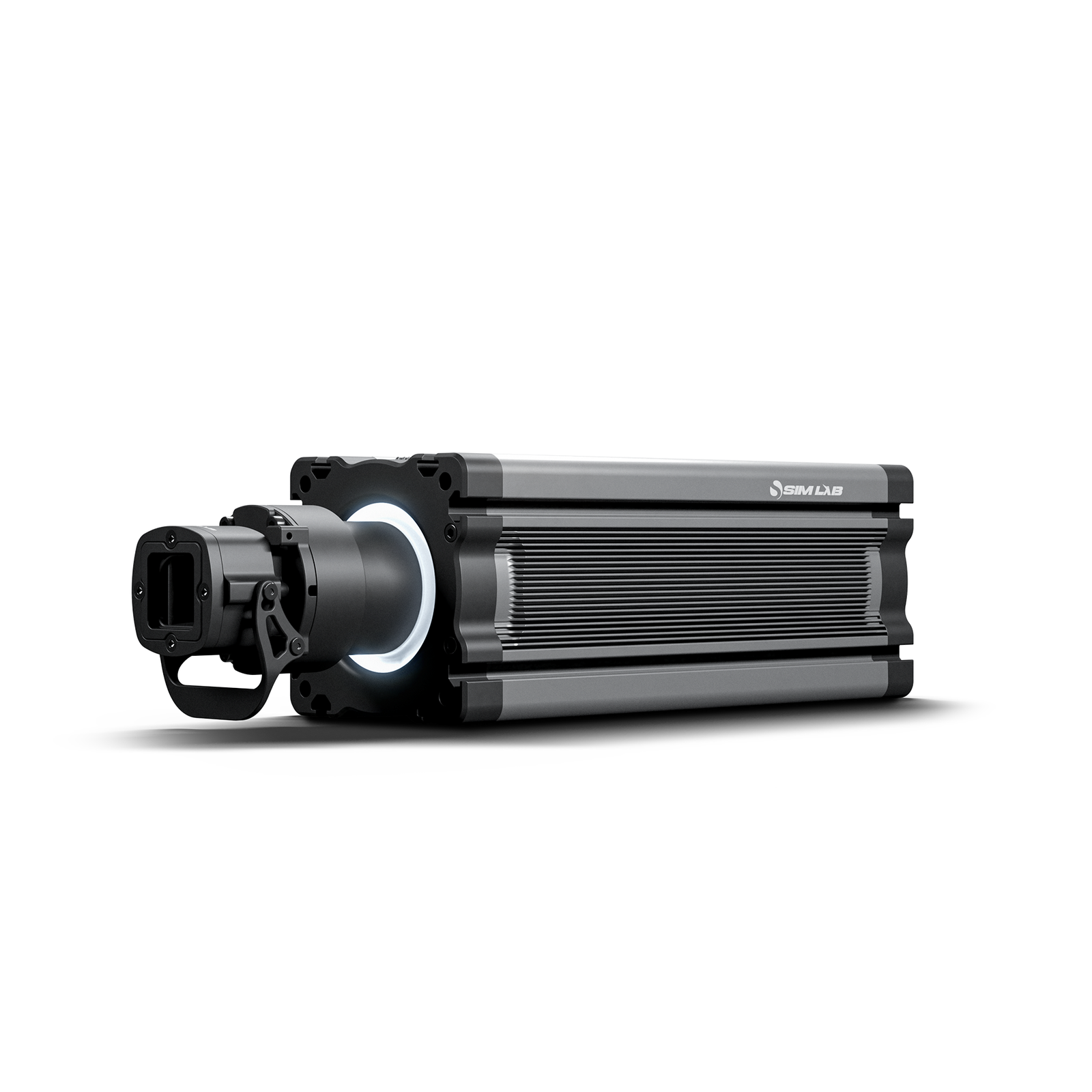

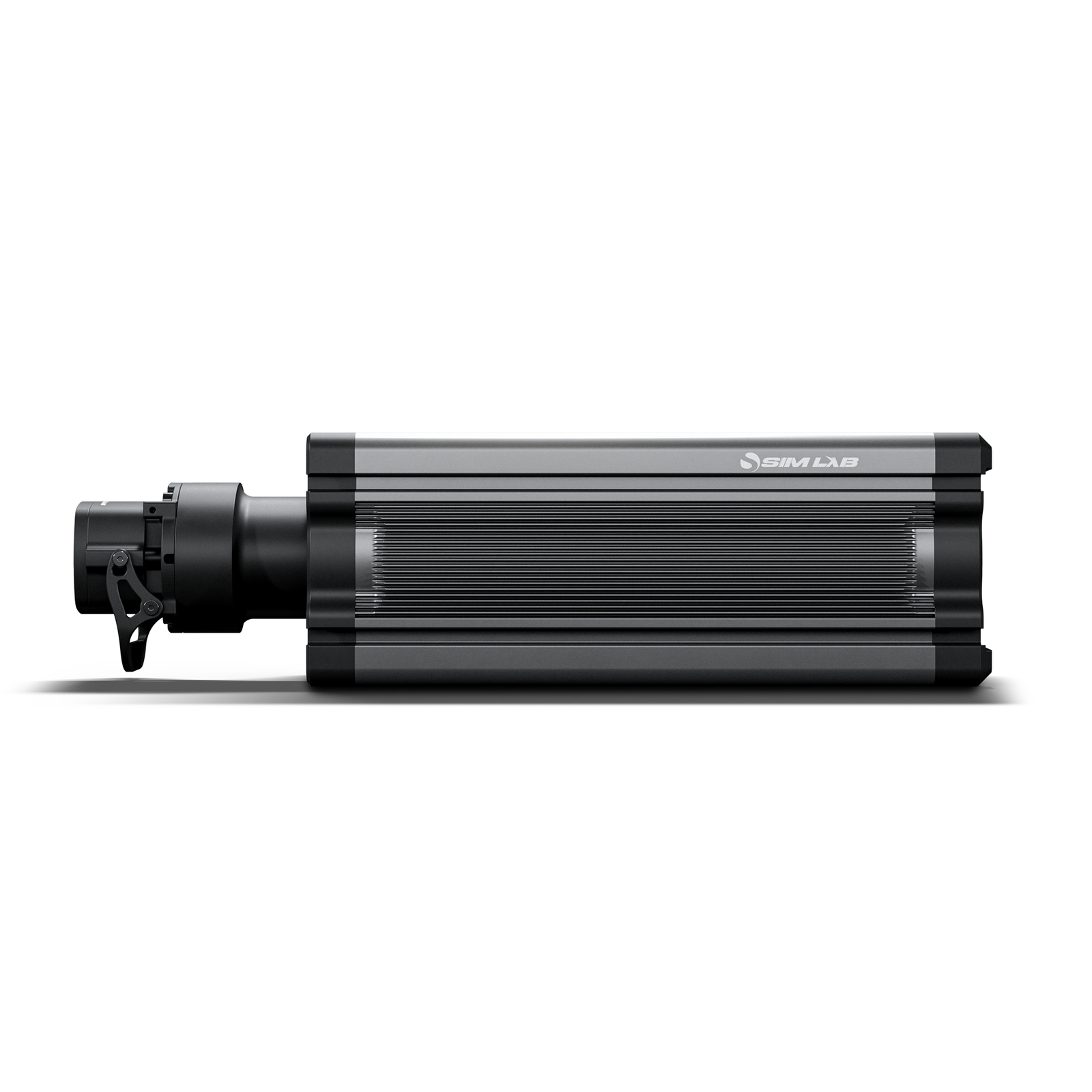

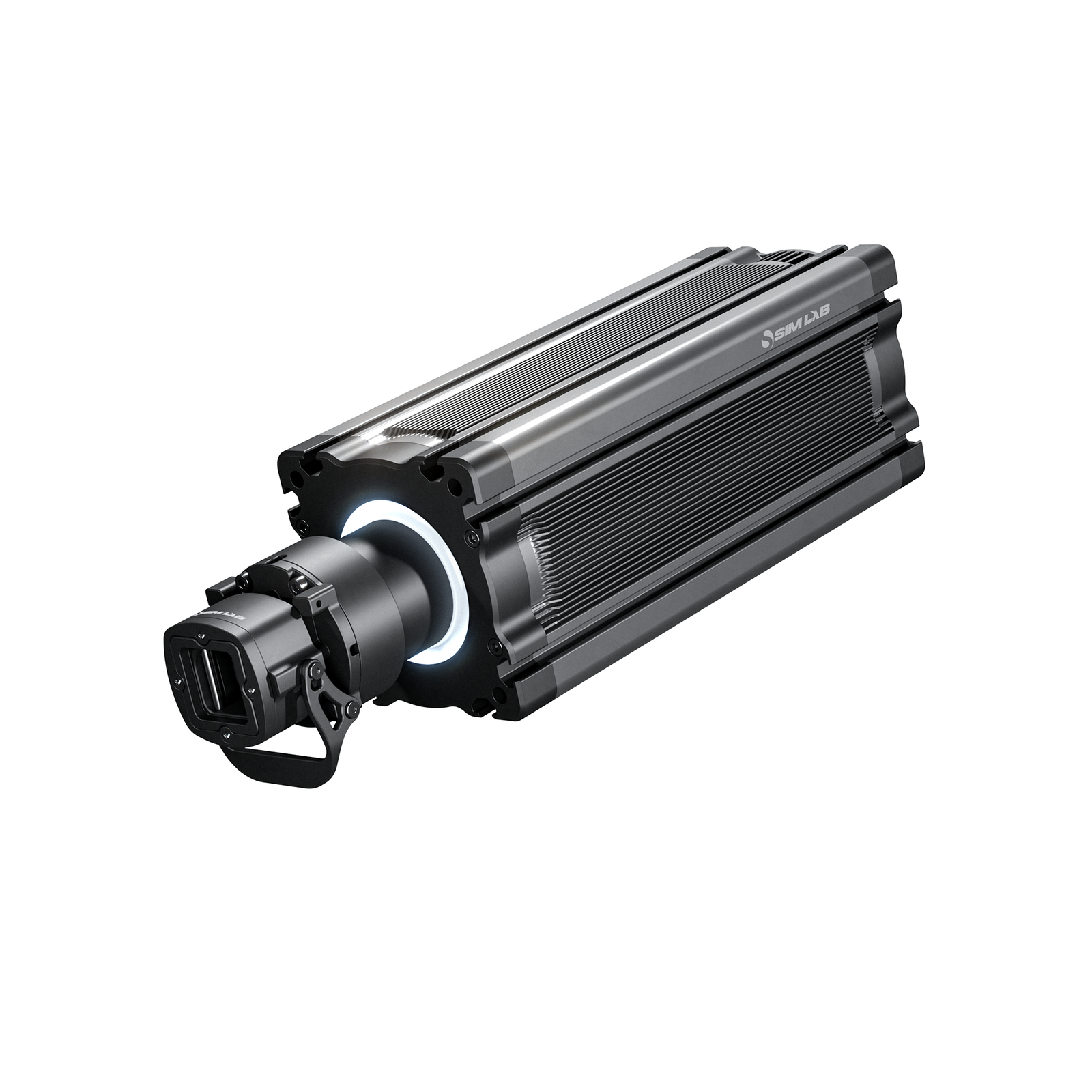

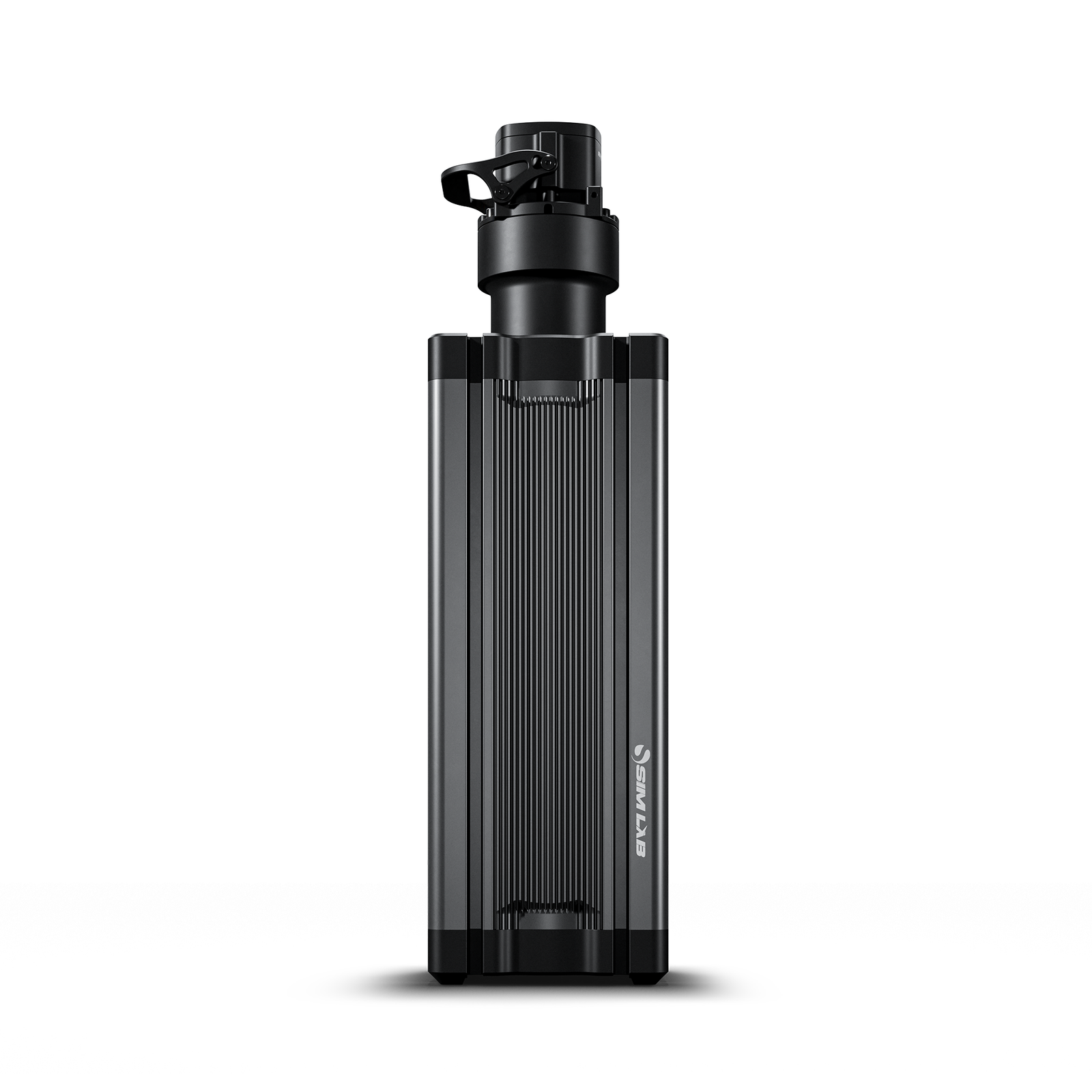





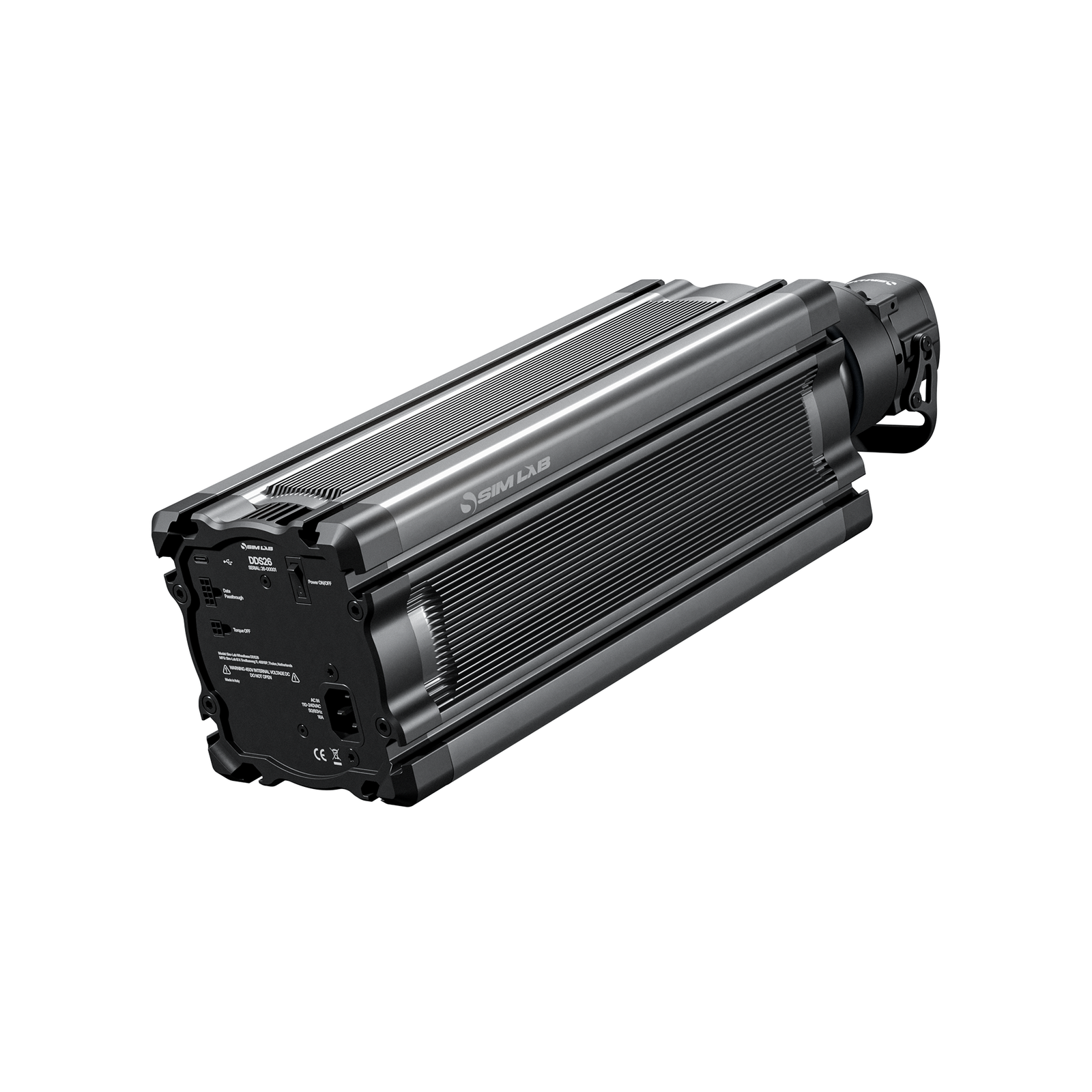

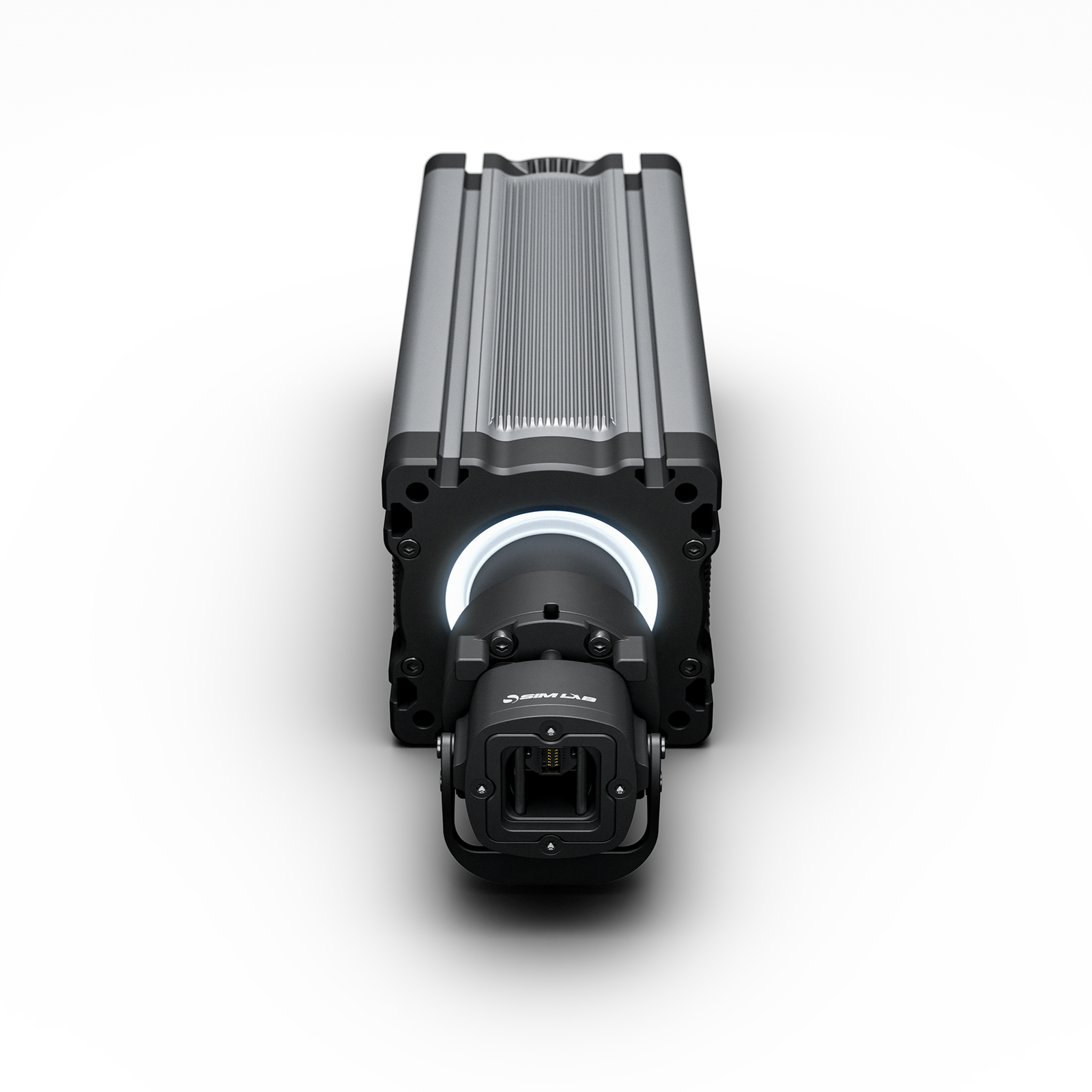

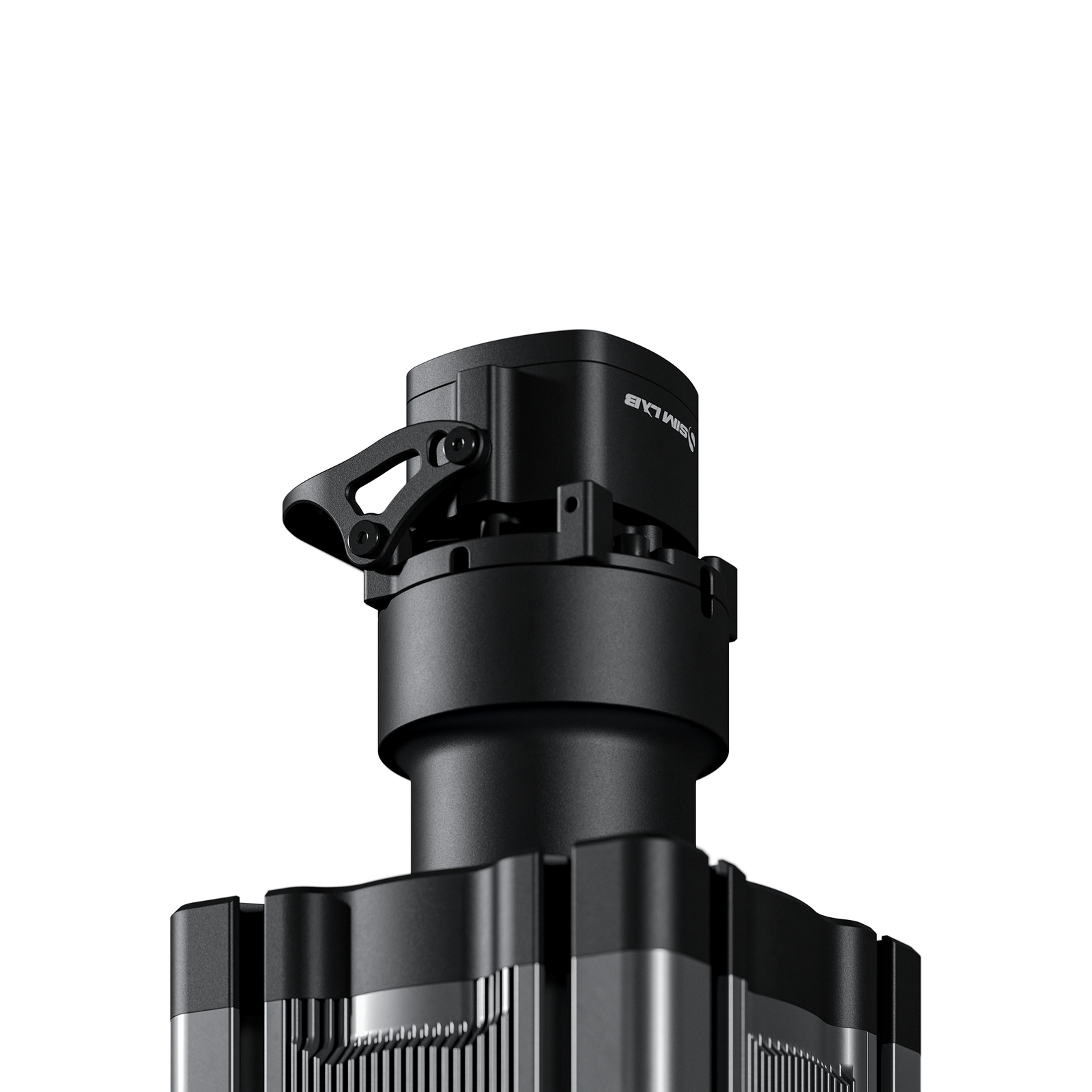

Sim-Lab DDS TorqueSync Direct Drive Wheelbase
$2,599.00 - $3,399.00
Fast Shipping (1–4 Business Day Delivery)
Local Support from Experienced Racers
Trusted Sim Racing Gear & Builds
Launch edition
Every unit is a Founders Edition
- Founders Edition engraving with a unique serial number
- Xero-Play Quick Release V2 included
- Premium collector's booklet
- Four-year warranty
Sim-Lab prices the standard wheelbase without a quick release. The Founders Edition includes it.
Product Features
26 Nm or 39 Nm
Rated torque held without fade
350 VDC Internal Bus
Headroom for fast torque response
TorqueSync Processing
100+ kHz multithreaded control loop
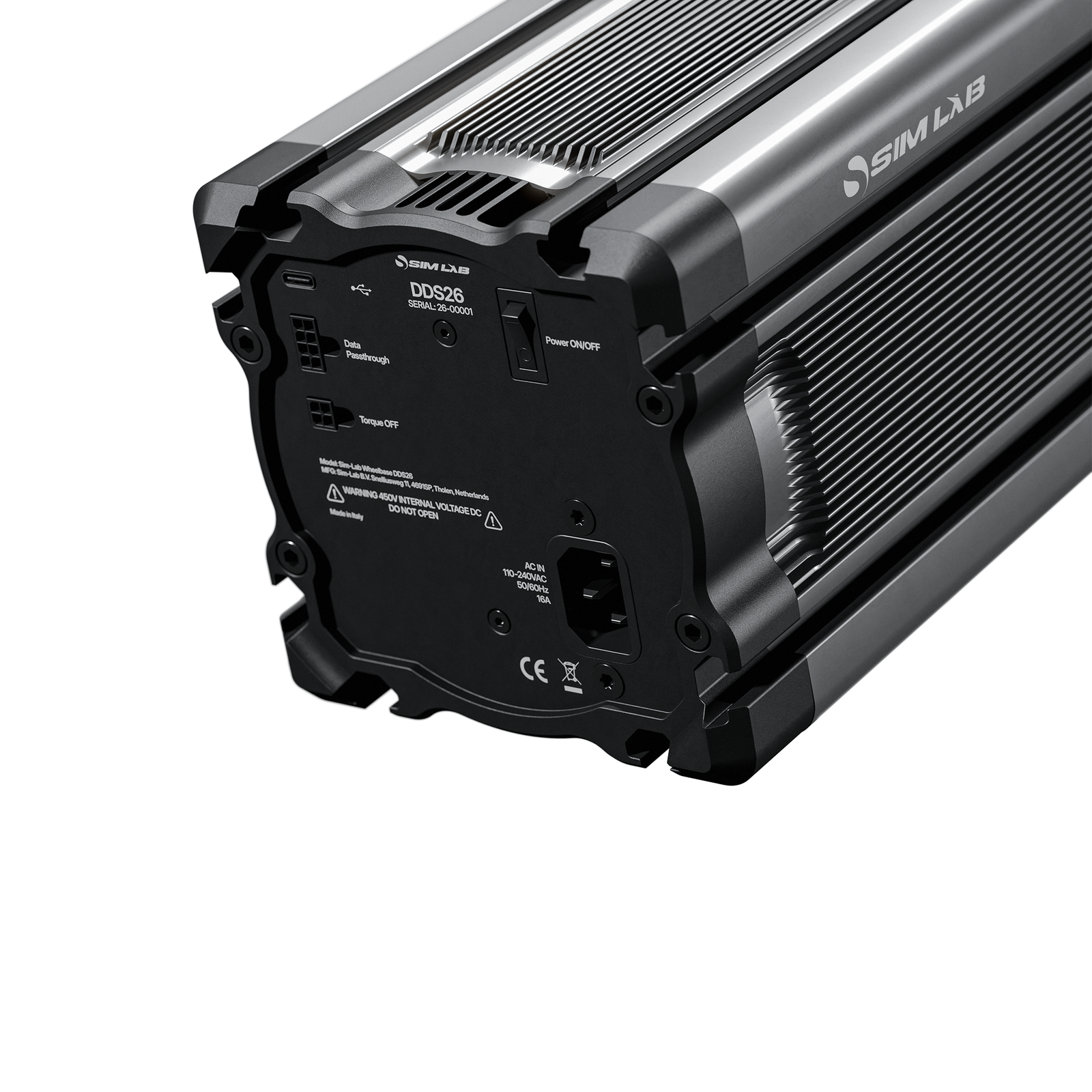
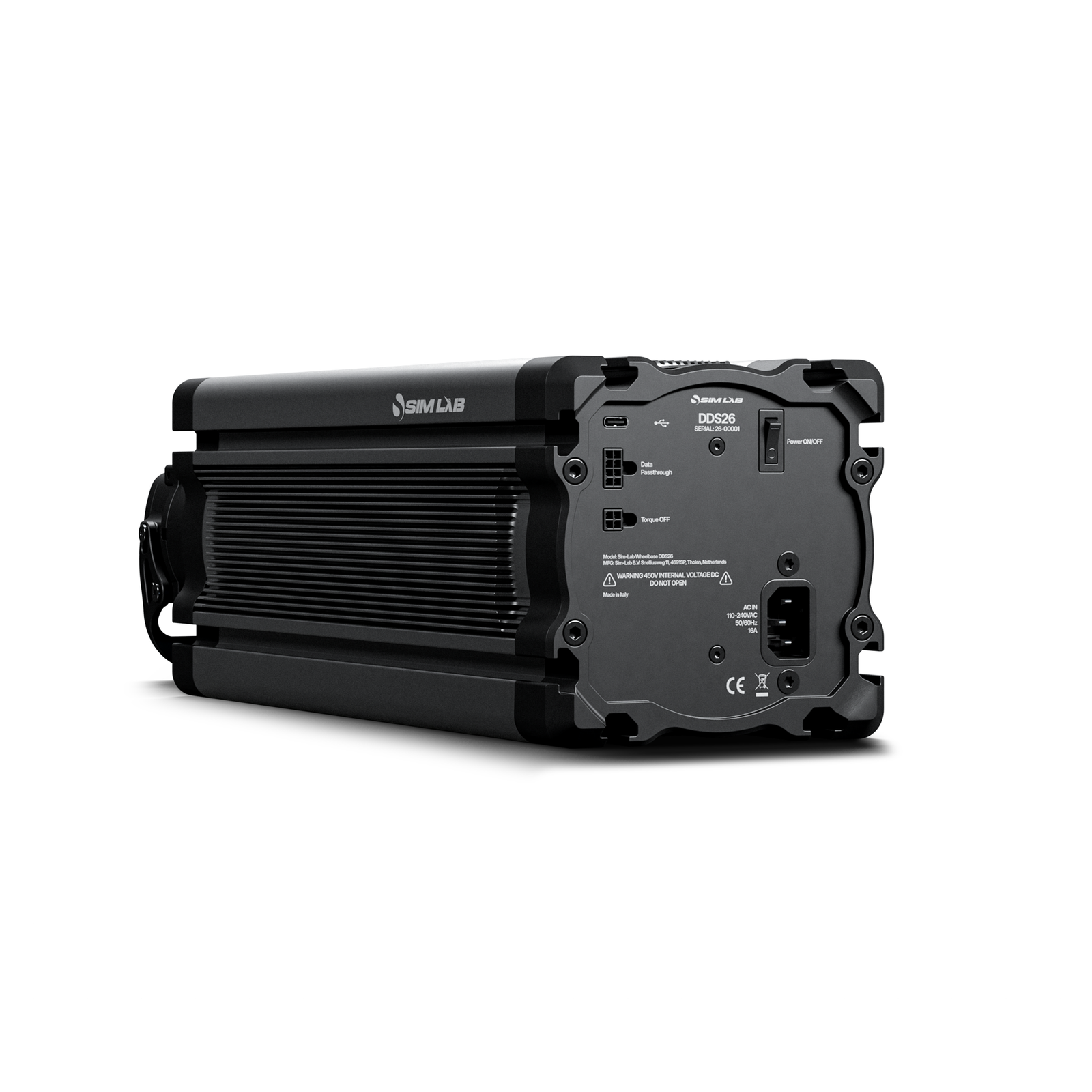
No External Power Brick
Integrated supply, one mains cable
Open Wheel Ecosystem
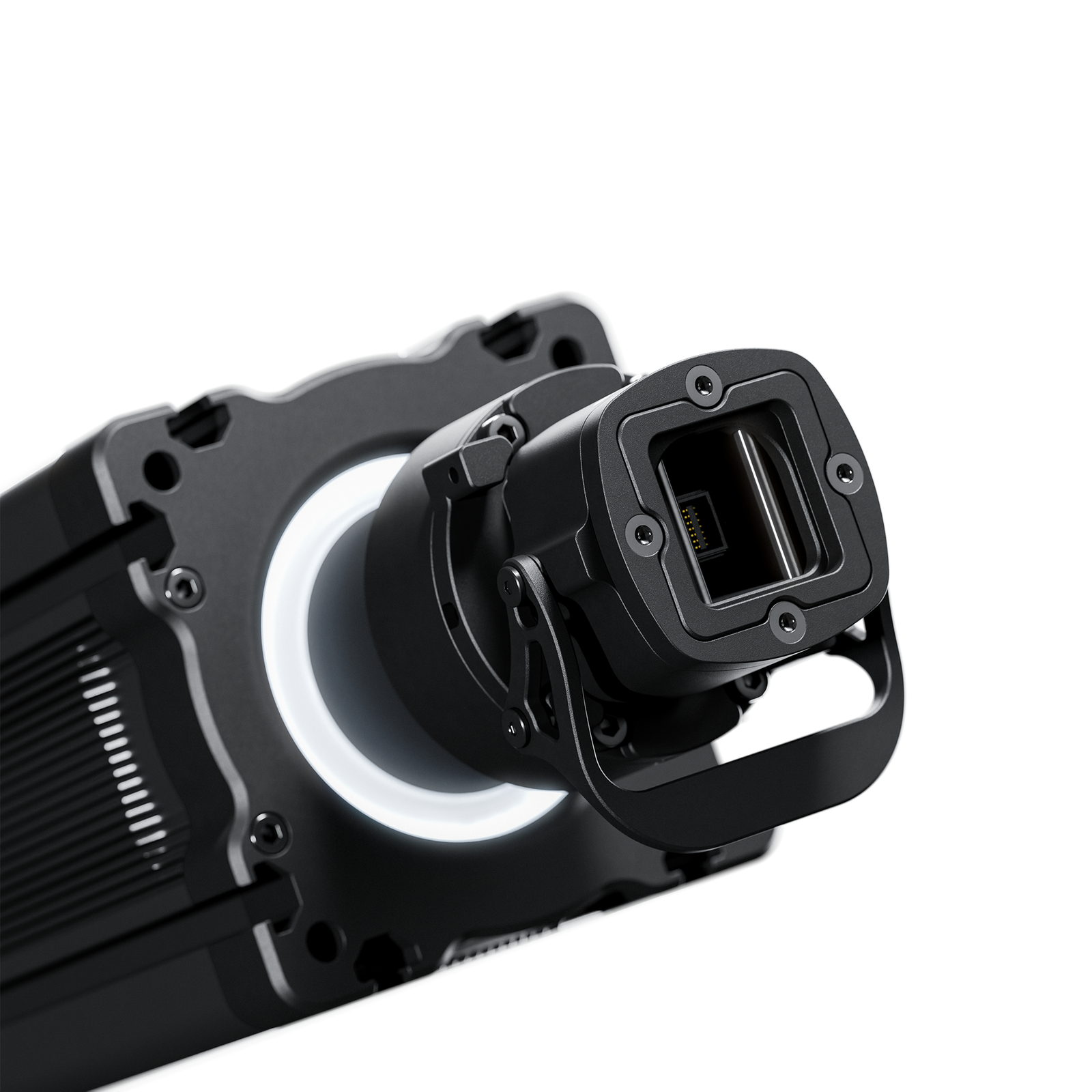
Ø70mm M5, USB passthrough, any brand
4-Year Warranty
Industrial build, replaceable slipring
What's in the Box
- DDS TorqueSync wheelbase (Founders Edition, serial-number engraved)
- Xero-Play Quick Release V2
- Hardware kit for mounting
- Premium collector's booklet
Shipping & Warranty
- This is a pre-order item. Your order will be shipped once stock arrives. If you would like your in-stock items earlier, please contact us.
- In-stock orders are typically processed and shipped within 1-2 business days, with standard delivery taking about 1-4 business days after dispatch.
- 4-Year Warranty: All Sim-Lab DDS TorqueSync wheelbases are covered for 48 months from the date of purchase.
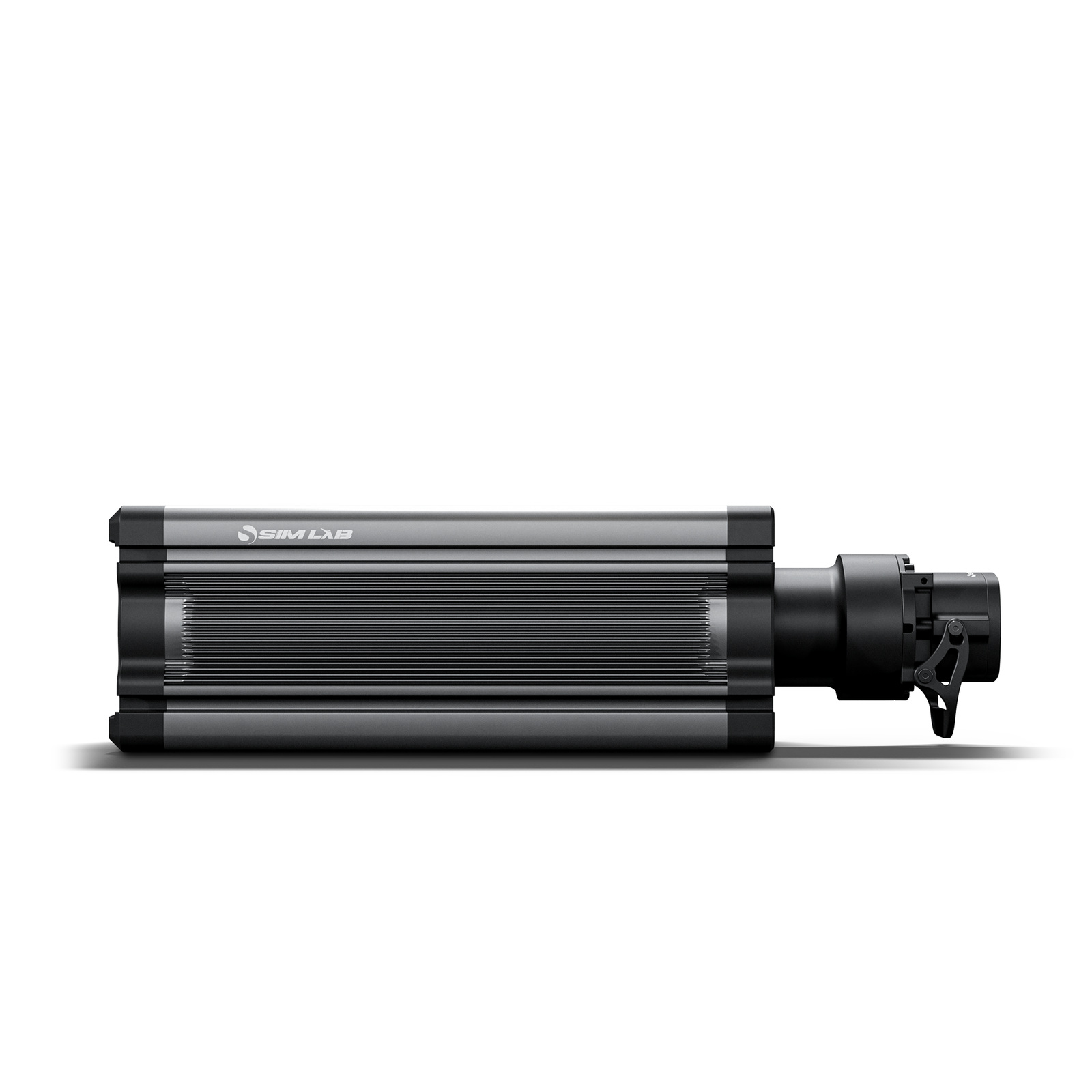
A direct drive wheelbase built around an industrial servo motor and a 350 VDC internal bus. TorqueSync processing runs the torque loop at over 100,000 updates per second, so tyre load and grip changes reach your hands without smoothing or delay. The power supply is built in, so there is no external brick.
Available in 26 Nm and 39 Nm. Browse the full Sim-Lab range, or see all wheelbases.
Not sure which? Compare the two models


Founders Edition
DDS TorqueSync
Industrial servo architecture. Built for sim racing.
The numbers
Built to a different standard
Most direct drive wheelbases are built around consumer motors. The DDS TorqueSync is an industrial servo system, and the specification reflects it.
350VDC
Internal servo bus. Voltage headroom for fast torque response at speed.
26/39Nm
Peak torque choices on one common platform.
100+kHz
Multithreaded DSP control loop running TorqueSync processing.
200M
Rated cycles for the replaceable industrial slipring.
Choosing between them
Which model
DDS26
26 Nm covers every discipline in sim racing, from GT and touring cars through to open wheel. It holds peak torque through a long stint rather than tapering as it heats, and at 11.1 kg it asks less of your chassis. For most drivers this is the complete answer rather than the entry point.
DDS39
39 Nm raises the ceiling. The extra headroom shows up under the heaviest loads, in high downforce cars and over hard kerb strikes, where detail at the top of the range matters most. It draws more power, weighs 2.4 kg more, and rewards a rigid, well braced chassis.
The motor architecture, control loop, encoder, passthrough and software are identical across both. The choice is how much torque you want available, not how capable the wheelbase is. If you are unsure which suits your chassis and the way you race, talk to us.
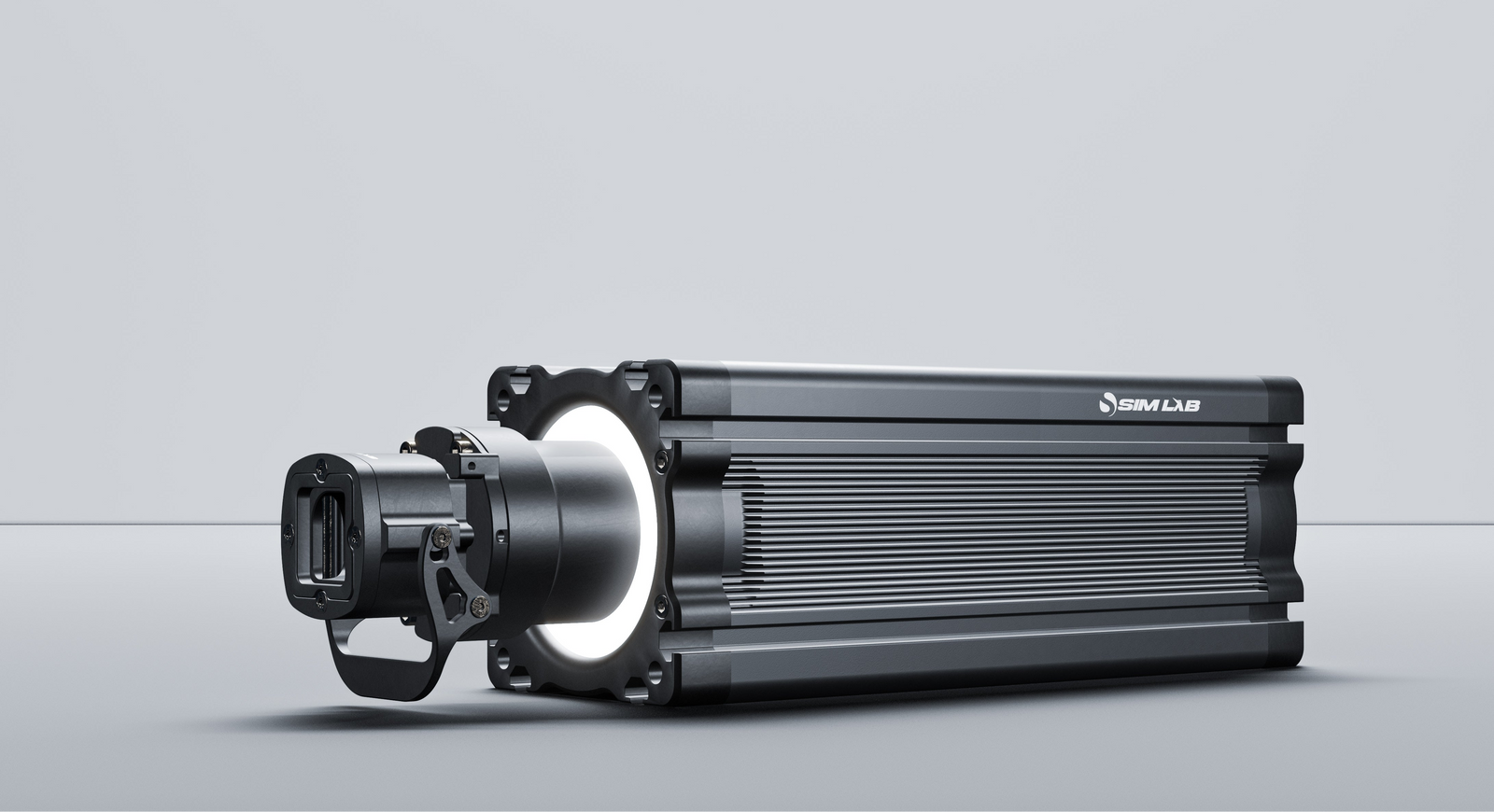

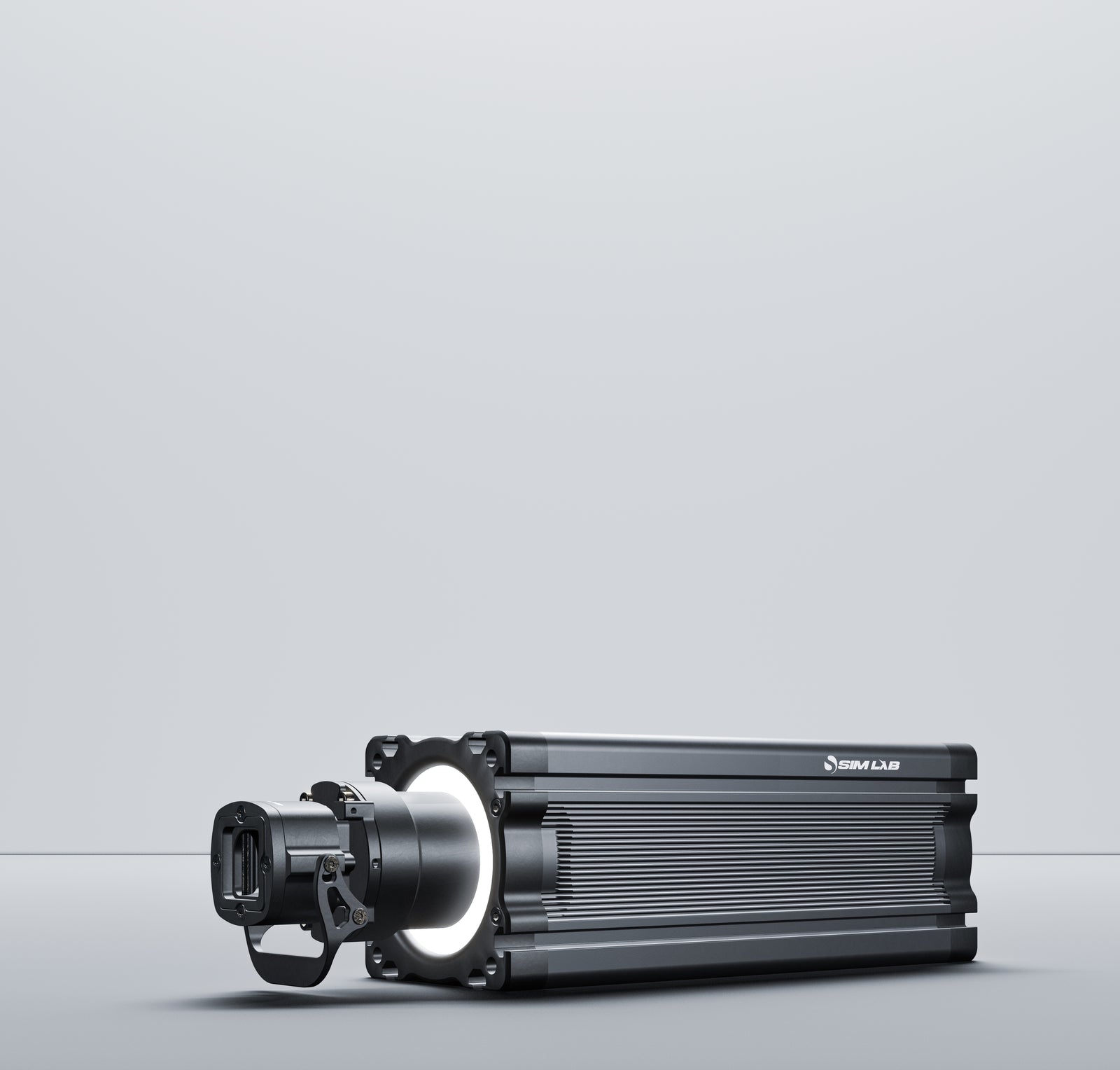

Performance by design
The DDS TorqueSync does not get its performance from one headline component. It comes from the balance of all of them. Motor architecture, drive electronics and power delivery were designed together rather than assembled from parts that happen to fit.
Two models on one platform. The DDS26 at 26 Nm covers everything from GT to open wheel. The DDS39 at 39 Nm is for drivers who want the full range of what direct drive can produce.


Force feedback without the filtering
Most force feedback is processed before it reaches you. Simulator data gets smoothed higher up in software, and the fine detail goes with it.
TorqueSync works lower in the chain, translating force commands straight into motor torque. Tyre load, surface texture and weight transfer arrive as separate, readable information rather than one blended sensation.


Open passthrough. Built to last.
Bring the wheels you already own. The DDS uses the standard Ø70 mm M5 bolt pattern with USB data passthrough. No proprietary hub, no licence, no adapter. Any USB steering wheel that fits the pattern works.
A dedicated 5 V line supplies 2,500 mA to the wheel, five times a standard USB port. Rims with screens, LED strips and multiple input layers run at full speed.


Mount it your way
Wheeldeck, side-mount or front-mount. Precision slots run along all four sides of the housing, with dedicated front-mount points built in. On a Sim-Lab cockpit the mounting patterns line up directly.
The DDS26 is 380 mm long and the DDS39 is 420 mm, both 130 mm wide and 130 mm tall. Send us a photo of your cockpit and we will confirm the fit before you order.
What sets it apart
Highlights
Industrial servo motor
Harmonised magnet pairs and distributed-wound stator cores reduce torque ripple for smooth, consistent delivery.
Integrated power supply
1,500 W on the DDS26, 2,500 W on the DDS39. No external brick, one mains cable, fewer failure points.
24-bit encoder
Approximately 16 million steps per revolution for accurate position feedback across the full range.
Replaceable slipring
Industrial type, rated for 200 million cycles, accessible from the front in about ten minutes.
Xero-Play Quick Release V2
Precision mechanism on the base side, so wheel-side adapters stay affordable as your collection grows.
RaceDirector software
Torque curves, damping and slew rate, with telemetry FFB comparing the incoming signal against actual motor output.
Founders Edition
Every wheelbase in the launch run is a Founders Edition. The Xero-Play Quick Release V2 is included, which Sim-Lab sells separately with the standard base.
- Serial-numbered Founders Edition engraving
- Xero-Play Quick Release V2 included
- Premium collector's booklet
- Four-year warranty

DDS26TorqueSync
DDS39TorqueSync
Peak torque
26 Nm
39 Nm
Servo motor
SPMSM, AC brushless, industrial type
SPMSM, AC brushless, industrial type
Internal servo bus
350 VDC @ 25 A
350 VDC @ 40 A
Integrated power supply
1,500 W peak rated
2,500 W peak rated
Control loop
Multithreaded DSP, 100+ kHz
Multithreaded DSP, 100+ kHz
Encoder
24-bit, approximately 16 million steps
24-bit, approximately 16 million steps
Power input
110 / 240 VAC
110 / 240 VAC
I/O
USB 3.0 + 12 V
USB 3.0 + 12 V
Safe Torque Off
Included
Included
Data passthrough
USB + 5 V power
USB + 5 V power
Passthrough power delivery
5 V / 2,500 mA
5 V / 2,500 mA
Slipring
Industrial type, replaceable through the front
Industrial type, replaceable through the front
Dimensions (L × W × H)
380 × 130 × 130 mm
420 × 130 × 130 mm
Mass
11.1 kg
13.5 kg
Cooling
Active fan cooling
Active fan cooling
Software
RaceDirector
RaceDirector
Mounting
Wheeldeck, front-mount, side-mount
Wheeldeck, front-mount, side-mount
Wheel interface
Ø70 mm, M5 bolt pattern
Ø70 mm, M5 bolt pattern
Platform
PC
PC
Warranty
48 months
48 months
Specifications supplied by Sim-Lab.


What's in the box
- DDS TorqueSync wheelbase (Founders Edition, serial-number engraved)
- Xero-Play Quick Release V2
- Hardware kit for mounting
- Premium collector's booklet
Steering wheel, wheeldeck and side-mount brackets sold separately.
FAQ
-
Peak torque, and chassis length. The DDS26 produces 26 Nm in a 380 mm housing. The DDS39 produces 39 Nm in a 420 mm housing. Everything else is shared: the same motor concept, TorqueSync processing, 350 VDC architecture, encoder, connectivity, software and mounting system. The DDS26 covers GT, open wheel and endurance comfortably. The DDS39 suits drivers who want maximum available torque.
-
Yes. Sim-Lab showed the range as DDX at SimRacing Expo 2025. The production name is DDS TorqueSync. -
Once demo stock lands we will have the DDS TorqueSync set up at our Melbourne showroom and the SimRigs Sim Centre. Get in touch and we will let you know when it is available to drive.
-
TorqueSync is Sim-Lab's patented signal translation technology. It synchronises the simulator's physics output with the servo drive over 100,000 times per second, converting force commands into motor torque with very low latency. Force feedback arrives immediately and in proportion, so detail is not lost to smoothing.
-
Voltage determines response speed, current determines torque. As the wheel spins, back-EMF rises and the controller can only push current while bus voltage sits above it. A 48 volt system runs out of headroom sooner, so torque drops off at speed. The 350 VDC bus keeps torque available across a wider speed range and allows a much faster rate of torque change. That is what you feel when catching a slide or hitting a kerb.
-
It is manufactured in Italy at an ISO-certified facility, developed by Sim-Lab with SOLO Motorcontrollers, an Italian team specialising in motor control. It complies with applicable safety and EMC regulations, is independently tested, and carries a TÜV SÜD approval mark.
-
If your wheel uses the standard Ø70 mm M5 bolt pattern and connects over USB, yes. The DDS is an open ecosystem with no proprietary hub requirement. USB data passes through the base to your PC, and a dedicated 5 V line at 2,500 mA supplies power for wheels with screens and LEDs. Sim-Lab and GRID Engineering wheels fit natively.
-
It depends on your rig. The DDS mounts to wheeldecks, side rails and front-mount plates, with precision slots on all four faces of the housing. On a Sim-Lab cockpit the mounting patterns line up directly. The DDS26 is 380 mm long and the DDS39 is 420 mm, both 130 mm wide and 130 mm tall. Send us a photo of your cockpit and we will confirm the fit before you order.
-
No. The DDS TorqueSync is built for PC.
-
It ships fully compatible with iRacing on the standard force-feedback path. The optional 360 Hz mode is not in the launch build. The control stack already handles high-rate torque processing, so it will be enabled by a firmware and software update once iRacing integration is finalised. No hardware change required.
-
The first production run ships from Sim-Lab's European hub. We will confirm Australian delivery timing with you directly once Sim-Lab locks in the schedule, and we will keep you updated through to dispatch. -
Four years. Sim-Lab handles replacement parts and firmware in-house, and we look after you locally from Melbourne, so you are not dealing with an overseas support queue on your own.